Introduction
I’m normally a LAB guy, and a happy one. But I like to keep my options open and experiment. I started experimenting with the PING as another injury took its toll on my aging body.
A few weeks back (26th May), after recovering from a wrist injury, which followed a back injury, I had a spectacular round, the best in a while, combined with a hole-in-one. Unfortunately, it also caused a flare-up of the back injury, not terrible, but I could feel something niggling me. I decided to take a break from full swings, and it turns out the muscle injury may be a tendon related, so I’ve been focused on rehab for that period. It isn’t super painful, but given we’re going through winter here, which involves a lot of rain, I felt like it was the best time to rehab it properly.
There is nothing like an injury to give you more time than you need, or should reasonably have. I think the saying goes “Idle hands do the devil’s work”: my devil’s work is buying gear I shouldn’t be, which I guess is better than robbery and murder, the latter of which could be what occurs when my wife discovers I’ve bought something again without asking her.
I had been experimenting in recent months with the lead hand low chipping (called cross-handed) to get my tempo and swing right.
Injury-ridden, I decided to focus on work and rehab for the next 6 weeks, but my ADHD got the better of me, and it wasn’t long before I was looking on the web at the left-hand low putting techniques, and several big names came up.
- Nelly Korda
- Matt Fitzpatrick
- JJ Spaun
- Xander Schauffler
- Brian Harman
- Jordan Spieth
- Lydia Ko
- Wyndham Clark
I borrowed an EVN Roll from a friend to play around with, and the putting stroke felt more natural than I expected, so I decided to use my downtime to experiment with a new putter.
I make the call to look at counterbalanced putters because that would at least add some stability, and that in itself introduced some challenges. In Australia, there aren’t a lot of stores that offer counter-balanced putters to demo; they just aren’t very popular. I felt that if I was going to go down this path, I needed to try a couple of demos.
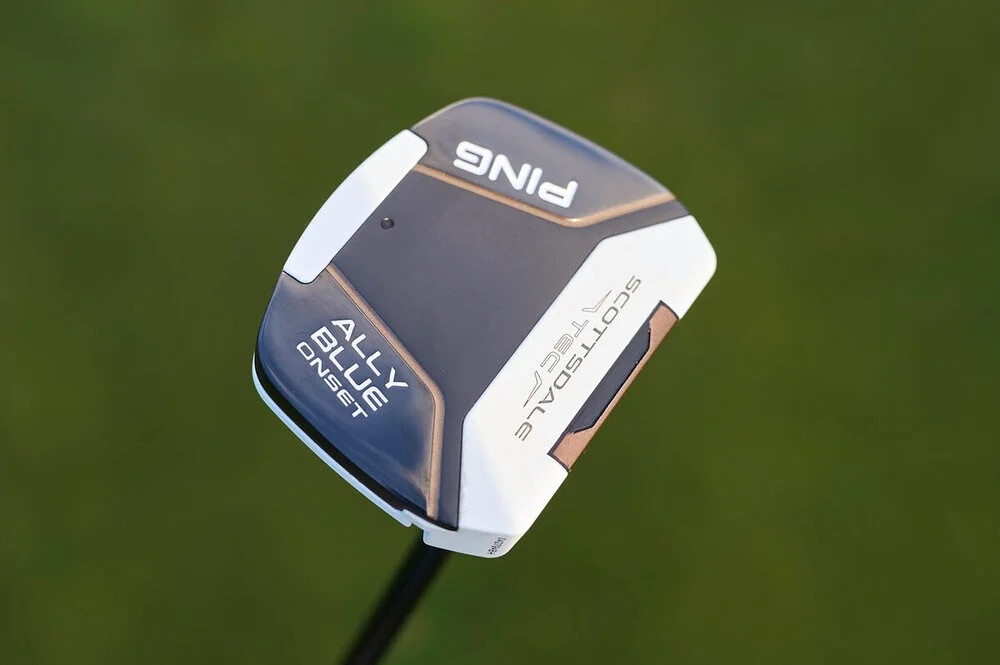
I could only find about 4 to test, I won’t go into each, and why I selected the PING, suffice to say, I really wanted to hate the PING due to the horrible shape and white colour. Sadly, the opposite is true; it was the one that felt best for me.
Specifications
From the looks of it, the PING Scottsdale Tec Ally comes in only right-hand options, sorry, lefties. Maybe they’ll introduce a left-handed version in future.
For the counterbalanced putter version, the shaft length is 37.75”, which would be comparable to a 34-35” inch putter.
The PING comes with a steel stepless shaft. There are mixed reports on who makes PING’s steel shafts.
The head weight comes in at 370 grams, which compares to a head weight similar to the LAB standard weight. Total weight for the putter is 500grams.
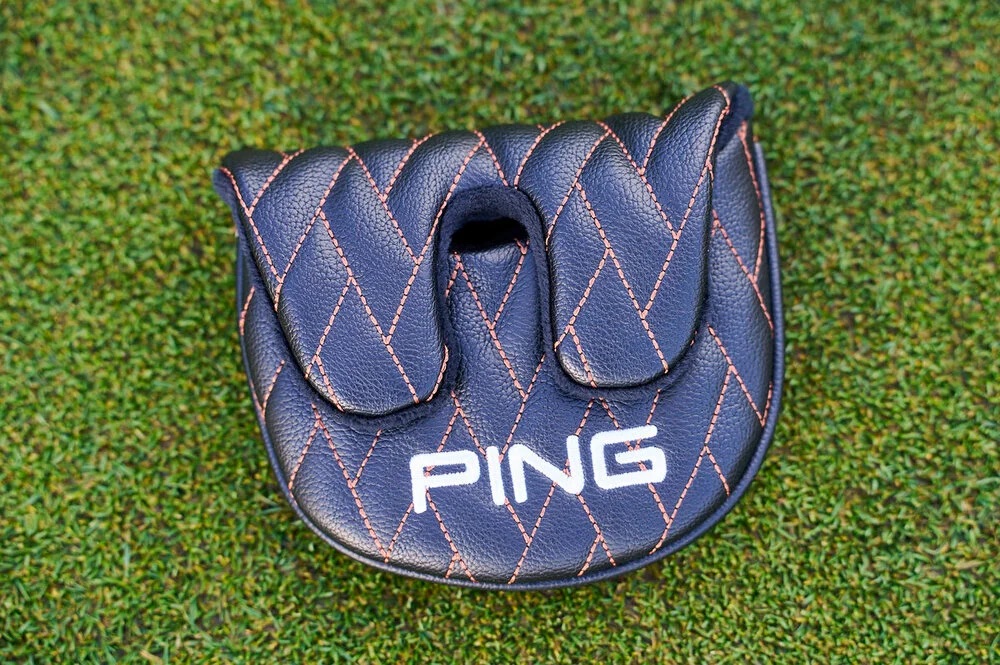
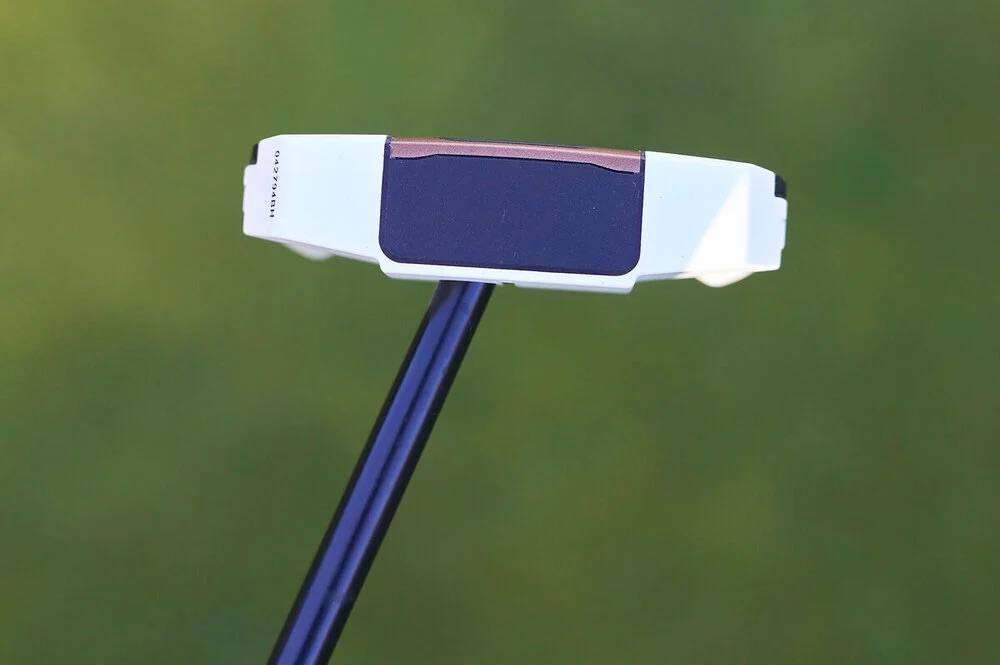
The head is a mix of steel, aluminium and something called PEBAX, a convoluted name for a plastic.
Aesthetics 6.5/10
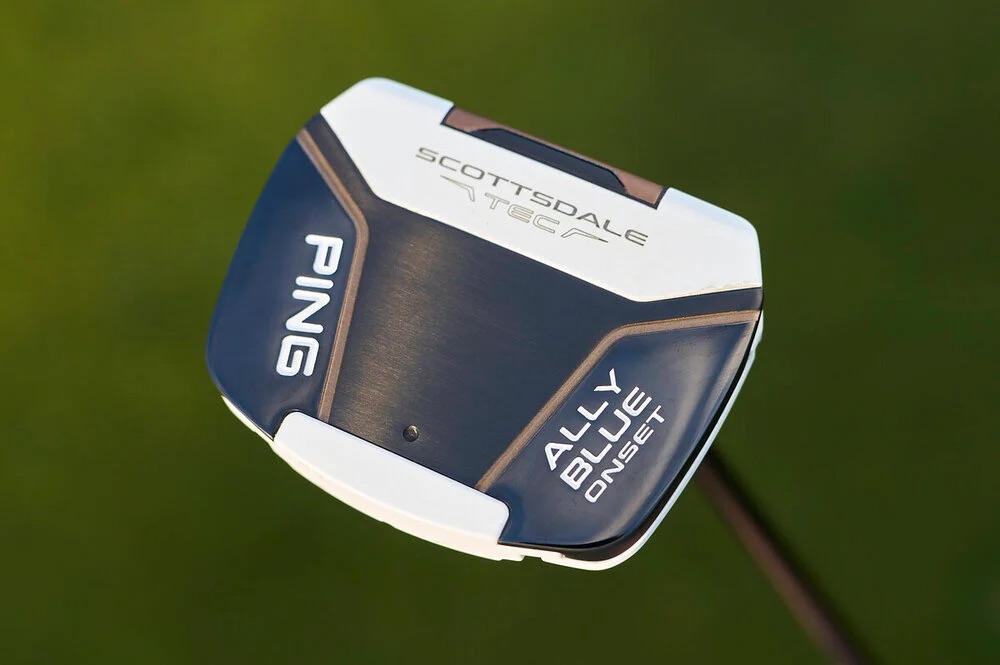
The PING isn’t the classiest or best-looking putter on the market, but in the last 5 years, a lot of putters have got considerably worse in the looks department. Putters have become the Cybertruck of the modern era.
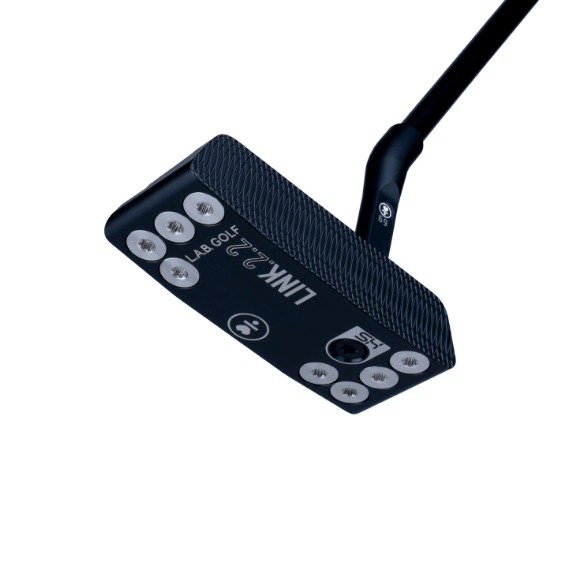
With the exception of some of the more recent zero torque designs like the Oz1 and 2.1/2.2, many zero torque putters look like the designer was on a drug binge. PING follows in this vein, but here is the catch: it’s not zero torque. At least LAB has an excuse for being ugly.
That said, it’s not the ugliest putter I’ve seen, so I’m going to give it a 6.5/10.
First impressions 7.5/10
When I got home, and I took it out to the practice green, I thought I had made a massive mistake, or they had given me the wrong putter. I’m not sure what happened between leaving the retailer and getting to the practice green, but it wasn’t pretty. I was sitting there thinking, “This is an expensive mistake”.
I packed up, went to the shops to get dinner, and on the way home, I noticed the lights were on the putting green, so I decided to stop again. I’m not sure what changed, but this time it felt like it did in the store again. The relief set in.
Construction 9/10
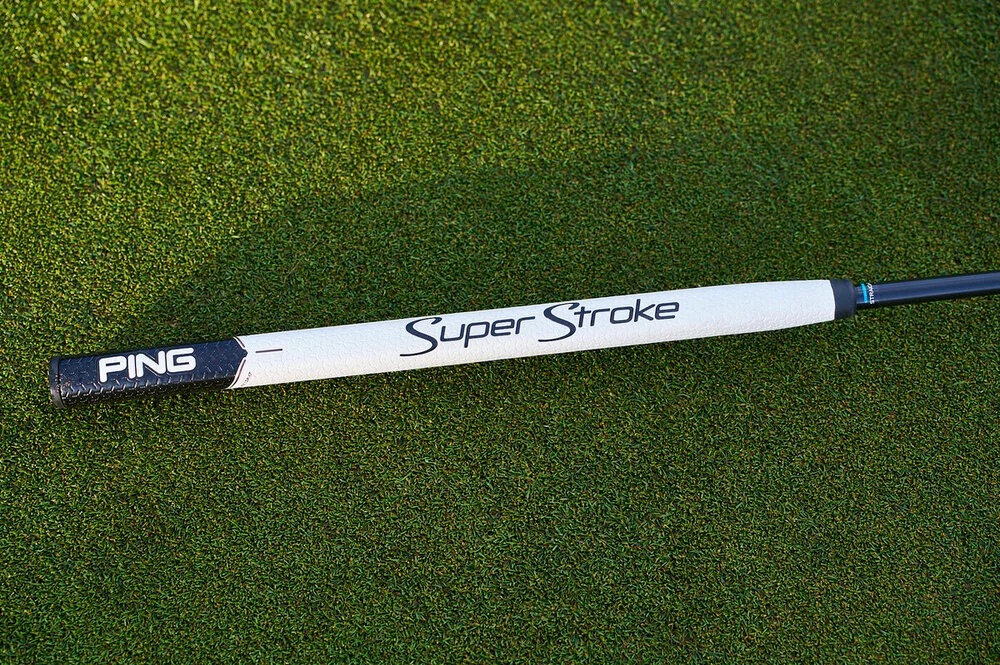
Starting with the grip, a good quality, Ping cobranded 17” Superstroke Pistol grip. It’s a nice grip, feels good.
Next up is the shaft and an area where the PING loses points. The PING comes steel shaft. It’s unbranded and decent, but for the price, I think they could have offered something in the premium graphite range like Accra. The shaft isn’t terrible, but they’re also competing in a much tougher market.
The head quality is amazing. The fit and finish are incredible, and PING gets points back in this respect.
Compared to a LAB, I think the head on the PING is more durable than the power coating on the LAB, but conversely, my LAB putters have had better quality shafts, where it doesn’t seem like this is an option on the PING.
Alignment 10/10
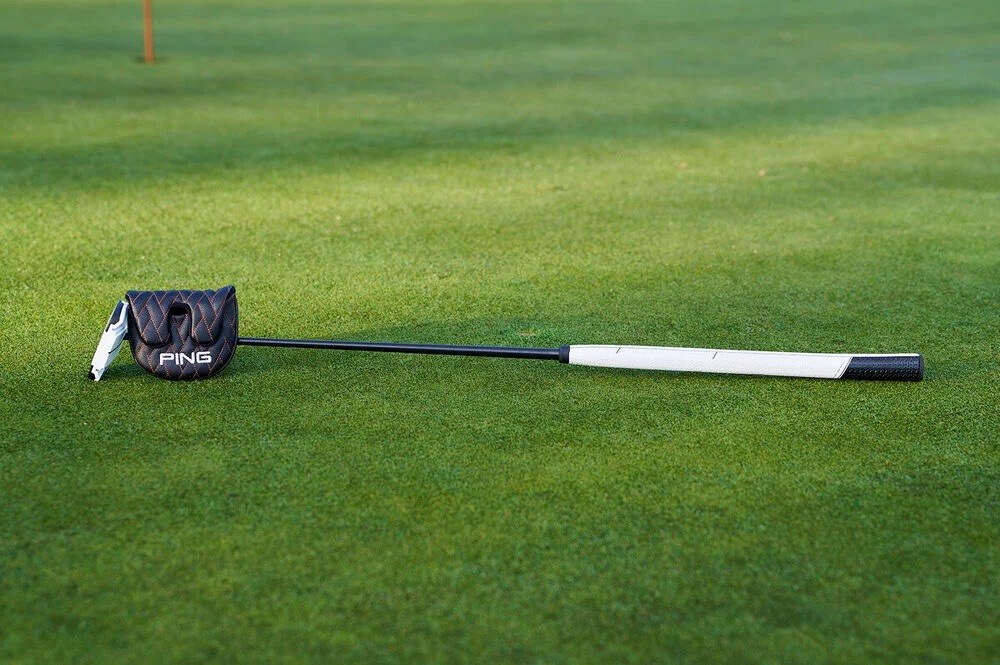
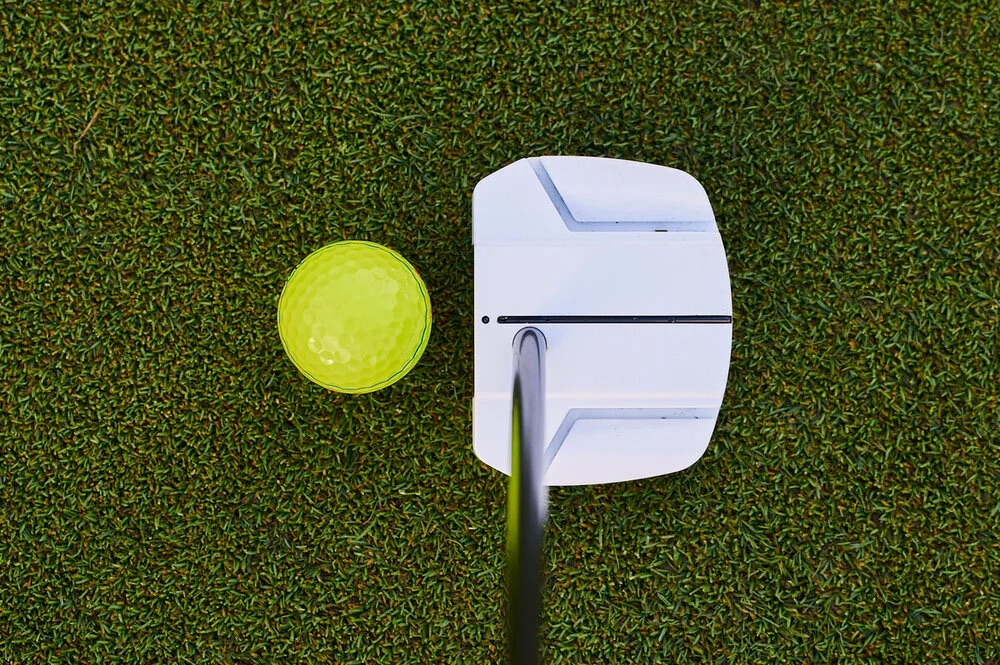
This is probably my favourite part of the putter and an area I honestly didn’t expect to like this alignment.
When I tested the putter, I putted well. I don’t think I realised initially that the alignment was helping as much as it does.
The white head works so well I think LAB are missing out by not having one.
Feel 8/10
I have mixed thoughts on the feel on a personal level. On one hand, it feels really good, but it seems to have some vibration coming through even while using a softer ball like the Pro V1.
It’s hard to explain, but there is a vibration that comes when you strike the ball. It’s not a hard vibration; it almost feels like a rubber rebound vibration, but in contrast, the strike or speed of the is still not too springy.
Part of no vibration may relate to my time on an armlock with a much heavier head, so perhaps the heavier head has deadened the feel for some time, and I’m used to it.
I did ask a friend for his thoughts on feel and he thought it was amazing, so I might be unfairly judging it. I’ll continue to update this section over time if things change as I get used to it.
Accuracy 8/10
The jury is still out on this one. It’s a different style of putter for me, so I probably need more time to validate where it’s working, where it isn’t and how much of that I can attribute to the style of putting vs the putter itself.
So far, the accuracy is fairly close to my current Oz1i when its at its best. I feel like the armlock is a more stable one, which shouldn’t be a surprise. The PING does address my miss on the Oz1i.
Despite how much I love the zero torque LAB, my miss is still a marginal toe side hit, and I have to fight my natural urge to keep the shaft inside the ball. When I do that, it comes up slightly short. The PING has the line slightly outside of the shaft which seems like a more comfortable position.
In theory, this would be resolved with a heel side version of the Oz1i or the 2.1/2.2, but neither of these designs have counter balanced versions available. As a result, if the cross-handed technique turns into a permanent thing, I may try to order one if they become available.
Distance control 7.5/10
I think distance control is where I had a lot of success, but I really have to split this.
It was probably 7 out of 10 from 40+ feet and 9 out of 10 from inside 20 feet. That may seem logical with any putter, but it’s not. With my LAB, I don’t have the option of introducing more wrist on longer putts, so my long putting is closer to 8.5/10 from 40 plus feet. I don’t often 3-putt from 40+ feet with my LAB by comparison and that was where I had concerns with lag putting. Inside 6 foot it was deadly though.
I think the biggest way to compare this is to say that with my armlock, I can hit 3 putts from 40 foot and they will be spread over one foot in terms of consistency. The PING could be a yard or two difference and that is sizeable.
There are obvious technique elements, which is why I have to make a disclaimer on this. The distance control was an issue for me, for others probably not. I think the putter is actually really good in this respect.
Stability 8/10
I think stability is good thanks to the counter balance, but I’m probably the wrong person to compare when you consider an armlock is locked to your arm. Stability is good. I found keep it stable on shorter putts challenging because you have less momentum, and probably not helped with being used to a lie angle balanced over a face balanced, but putting aggressively on short putts helped.
Longer putts were less of a stability issue for me, and more a distance control issue, and I think the cross handed putting influenced that.
Value for money 8/10
In Australia, the PING retails for $785 (discounted marginally) or about $400 in the USA. That’s $100 cheaper than a LAB or Scotty Cameron, and that’s one with a comparable steel shelf. I think it’s probably reasonably priced.
People complain about putter pricing, but they’ll spend $600+ on a club they hit 12-14 times a round, but when 25-35 shots on the course come from a single club, unreasonable spending?
On the course 7.5/10
Before taking this out to the monthly medal, I managed to get out for one practice round of 9 holes.
Practice Round 30 June (9 holes) B Rating
It was my first course outing with the putter, and I had 15 putts over 9 holes, one 3-putt, which was a bad line on the 7th hole, not the putter. I had one notably bad putt on the 4th from about 6 feet off the green. I put it 6 feet past the hole and missed the putt back. The rest of the putts were reasonable. Missed a birdie from 40 feet after it stopped on the edge of the hole.
First competition round 4 July (18 holes stroke) D Rating
After the practice round, I decided to go for broke with a competition and in a monthly medal, which is strokeplay, a baptism of fire. If you wanted an example of why a baptism of fire is a bad idea, this was it.
About 7 bad putts on the day, 3 of these were from off the green. I wish I could have blamed just the putting, but it was one of those days where everything was going wrong, wayward driving, bad irons, missing the green from 100 yards, bad pitching and chipping, putting with a new putter, compounded by horrendous weather, rain, 30 knot winds, and waterlogged fairways. Playing off a 6.3 with only 6 fairways in regulation and 3 greens combined with my abysmal short game after being off for 6 weeks meant there were stages I was just happy to be on the green when I was chipping. The one putts I did get were in the longer range, around 6-10 feet.
36 putts on a day when I’d probably should have had 30, my norm is usually 28-30, but I think mentally, I’d checked out by the 9th hole. I guess I shouldn’t have expected much after 6 weeks without playing comp, little to no practice and only a hole under my belt. I also think the risk with going out with a newish putter is not knowing how you will handle the shots you haven’t tried. For example: a putt up a steep 2-foot slope with soggy water-soaked ground and a pin located 2 yards on the green with a strong slope away from the hole. A near impossible shot for a chip and a very difficult shot with a putter you’re used to, let alone a putter you aren’t. As a result, the first putt got caught up in the wet grass, and the second putt ran out on the down slope well past the hole. I guess the simple answer was that it was the wrong iron miss for the hole. The preferred miss was always on one side, and it was a bad approach that caused the problem.
What the conditions highlighted to me was the difference in stability between a shorter putter and an armlock when it’s cold, rainy and windy. When your body is cold, it’s hard to stay relaxed when you’re putting. It’s also hard to revert to what is natural if you’re using something that isn’t natural yet, so make sure your baptism of fire isn’t in a volcano.
Second Comp 11 July (18 holes stableford) B Rating
I was expecting the second comp to be only marginally better due to a lack of practice. My daughter had a work experience event in another city, which resulted in me being out of town for 6 days. I basically felt like I was picking up where I left off, with only rehab stretching in the week before the event.
It was as bad as I expected. 29 points of fun and games. It was windy, and I wish I could have blamed that for my problems, but it wasn’t. I played badly but somehow ended up with 29 putts, a surprisingly good day with the putter, starting with a 30-foot birdie on the first. I will say that it’s probably looked better than it was, with only 5 Fairways in regulation, and 3 greens in regulation so many first putts were off the green which made my putting score look better than it was.
Third Comp 16 July (18 holes stableford) D Rating
Third comp was a 31-pointer. Swing has started to feel better, but is still missing fairways and greens with only 8 fairways in regulation and only 4 greens in regulation.
The putter didn’t feel great. I ended up with 30 putts, but that looked a lot better than it was. On paper, I had no 3-putts, but I three-putted on several occasions that I shouldn’t have, with putts only marginally off the green that should have been up and down. I actually putted an additional 8 times off the green, which is not included in that number, and 80% of them should have been up and downs because they were only a yard or two off the green. I also missed some 4-5 foot par saves, which was concerning.
I also found myself noticeably missing lines, so it was the first time I felt the putter was noticeably worse than my LAB Oz.1i in all respects.
I’ve started to confirm that lag putting is my biggest issue with this. I have no doubt this is a technique issue, but its not a technique issue I have to deal with on my current putter.
Conclusion 8.5/10
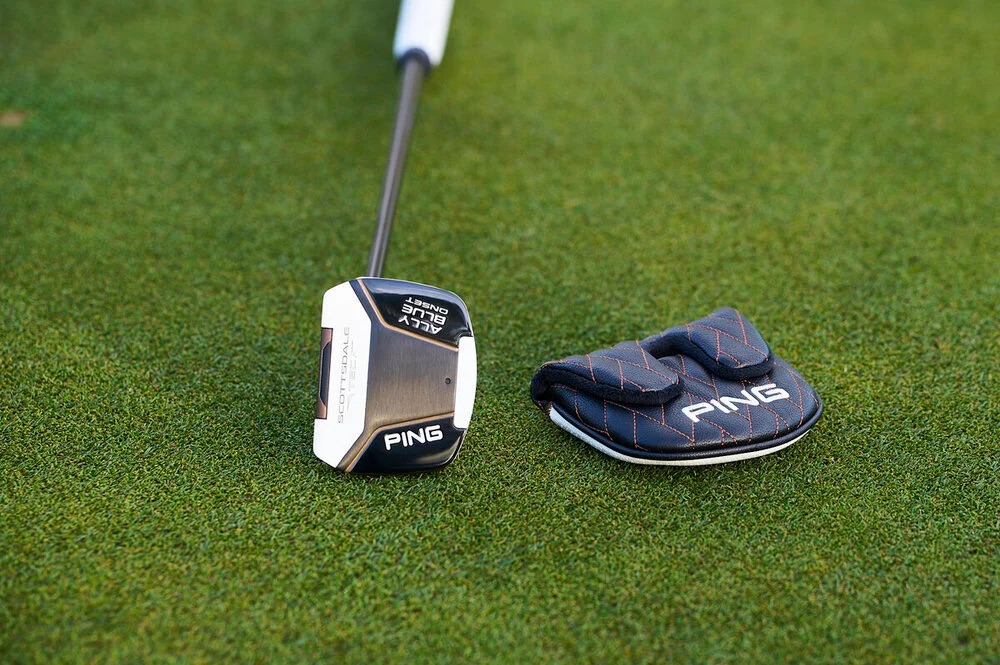
Despite the ugly looks, PING have a really good putter on their hands. As far as conventional putters go, its definitely one of the best I’ve tried. If you’re not a counterbalanced person, there is a standard version of this putter. But only if you are right-handed, lefties have been left out for now.
That said, as good as it is, it’s not for me. The use of this putter has reinforced that there was a reason I left conventional putters, because they don’t work that well for me on lag putting. I’ll continue experimenting with this for the next 3-6 months, perhaps with more off-course practice and I may try tweaking my technique to see if I can give this a fairer comparison to my current putter but it’s out of my bag for now. If it doesn’t make the bag in the next 6 months, it’ll be on the market.
So, this review is probably partially a review of conventional putting techniques for me, not just the putter and that’s probably more where it fails than on actual performance if I am fair.


Leave a comment